
Why you need to relax your pelvic floor for birth (& beyond!)
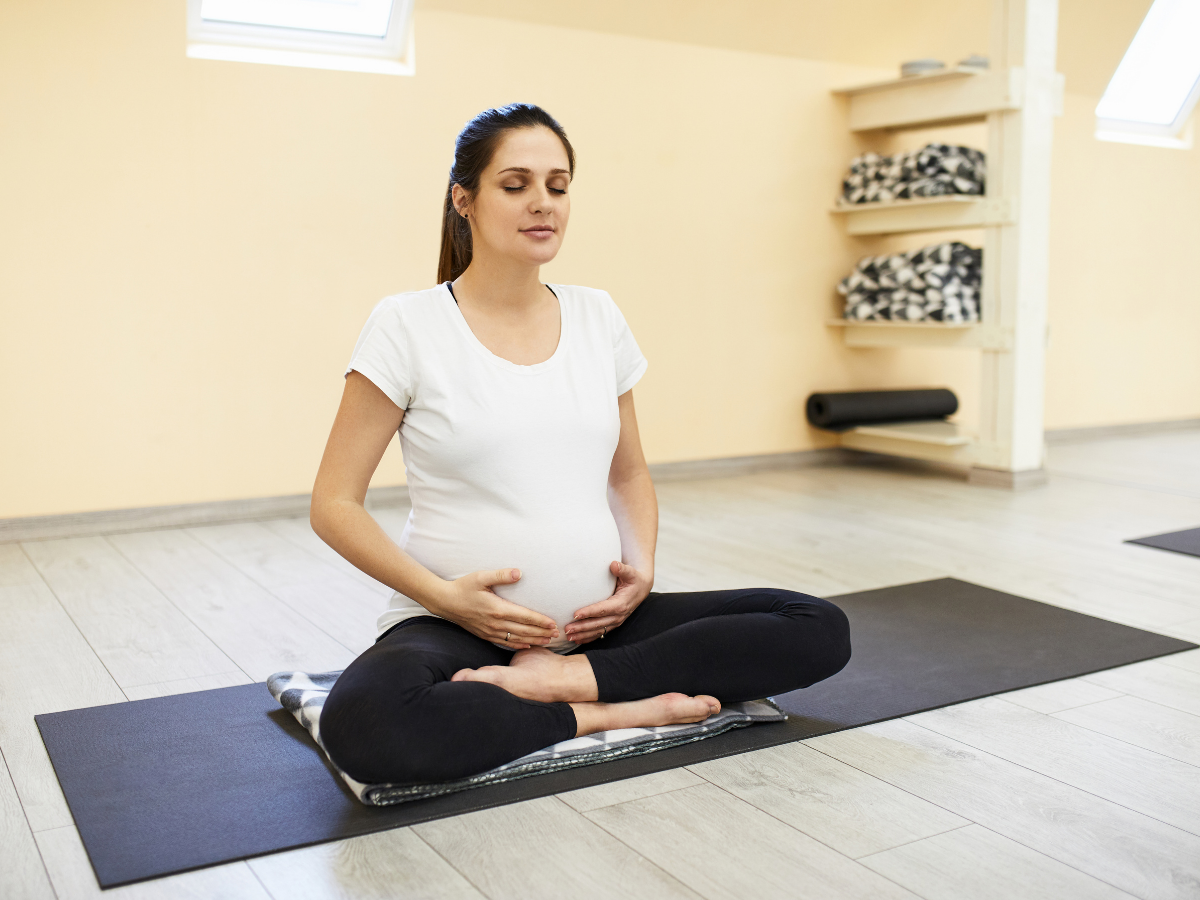
If you are pregnant, chances are you have been advised or read that you should start doing ‘pelvic floor exercises’ now, and possibly as often as you can manage during the day, in order to limit the impact of your pregnancy on the pelvic floor and help with your postnatal recovery.
Unfortunately, the type of pelvic floor exercises most women end up doing - Kegels or squeezes - really focus on building ‘tone’ only, which in most cases is NOT the best way to support your pelvic floor in pregnancy & beyond, and can actually lead to more symptoms (such as pelvic pain and incontinence / leaking urine) and more difficulties during birth.
It is true that the growing weight of your baby and hormones do make your pelvic floor more lax, and so it is important to maintain enough tone in the pelvic floor to avoid dysfunction such as bladder weakness/ leaks. In most cases, this is especially relevant for women who have given birth before and whose pelvic floors might not have had the chance to heal completely after their first birth, or respond more quickly to the hormonal changes and weight-bearing/load of a new pregnancy.
BUT - and it is a big ‘but’, learning to relax your pelvic floor in pregnancy is equally important, if not more!
👉🏼 a functional pelvic floor actually needs to be ELASTIC (like a trampoline), not just toned and tense (like a brick wall) which countless ‘squeezing’ can lead to (which is why, as a perinatal yoga teacher and movement therapist, I am not a big fan of recommendations and apps such as the Squeezy app).
👉🏼 Most first-time mums-to-be tend to have a tighter rather than weaker pelvic floor to start with, and especially so if they are pretty athletic (doing a lot of running, Pilates, horseriding, weight-lifting or years of ballet)
👉🏼 being able to fully relax the pelvic floor in labour & birth (and keep it that way during contractions and pushing) makes it easier for your baby to engage and navigate through pelvis, and reduces your risk of tearing, making labour shorter and recovery quicker!
This is why developing pelvic floor awareness and deep connection, and learning to both engage and release the pelvic floor fully, is a key part of my pregnancy yoga classes, whether online or in-person.
You can also start exploring a few helpful practices as explained in this other blog post.